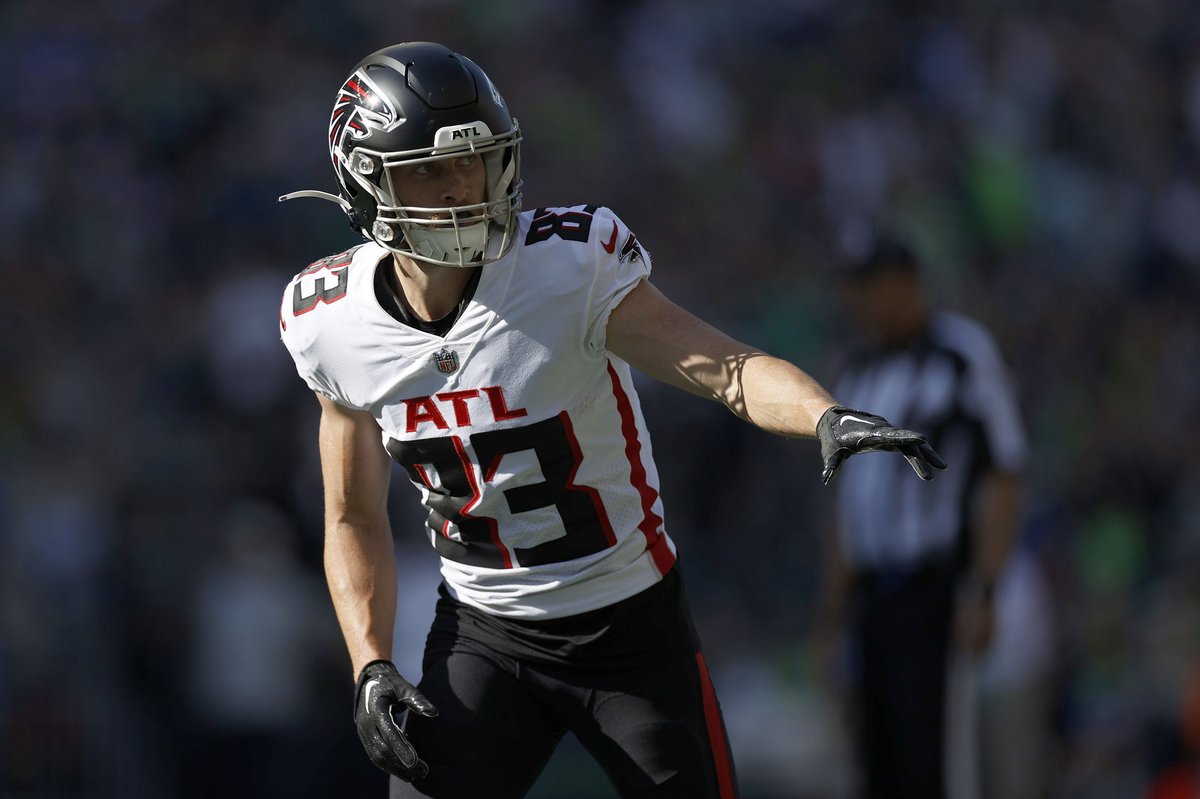
The moment a promising young talent takes the field, a collective buzz electrifies the stadium. Rookies bring fresh energy, raw potential, and the promise of a team's future. But sometimes, that electrifying debut is cut short by an unfortunate injury, leaving fans, coaches, and fantasy managers asking the same urgent question: what are the Projected Return Dates and Timelines for Injured Rookies? It's a critical piece of information, shaping everything from game strategies to fantasy drafts, and the answers are rarely simple.
Navigating the murky waters of injury reports, medical prognoses, and the unique pressures surrounding first-year players requires a keen eye and a bit of journalistic savvy. Unlike seasoned veterans, rookies often face different recovery dynamics, balancing the need to impress with the imperative for long-term health. Understanding their projected return dates isn't just about a calendar entry; it’s about deciphering the complex interplay of injury type, individual physiology, team needs, and the very real human element of recovery.
At a Glance: Key Takeaways for Injured Rookies
- Patience is Paramount: Rookies, especially those with significant draft capital, are often given a more cautious recovery timeline to protect their long-term careers.
- Injury Type Dictates Timeline: A mild hamstring strain (like Mike Evans') is "multiple weeks," while a fractured fibula (like Isiah Pacheco's) means a "late-season surge" and IR.
- IR Isn't Always a Death Sentence: The Injured Reserve (IR) list means a minimum of four weeks out, but often longer. Players like Jonathon Brooks (RB, Panthers) and Aidan O'Connell (QB, Raiders) are on IR but expected to return, potentially in a big way.
- "Week-to-Week" is a Spectrum: It can mean one week, or it can mean several. Monitoring practice reports is crucial for these shorter-term injuries.
- Fantasy Impact is Immediate: When a rookie goes down, or even a veteran, other rookies often step up, creating new fantasy opportunities (e.g., Emeka Egbuka for Mike Evans, Cam Skattebo for Tyrone Tracy Jr.).
- Team Needs Influence Urgency: An undefeated team might not rush a star back (like Pacheco), while a struggling team might push for an earlier return.
- Non-Football Injuries (NFI) Exist: Rookies can miss time for issues unrelated to on-field play, as seen with Jonathon Brooks.
The Rookie Reality: Why Injuries Hit Differently
For a rookie, an injury isn't just a physical setback; it's a profound disruption to a critical developmental period. They're adapting to faster speeds, greater physicality, and a more demanding schedule than ever before. This steep learning curve, combined with the pressure to perform and secure a roster spot, can make injury recovery uniquely challenging.
Unlike veterans who have years of pro-level strength and conditioning, rookies are often still building their "pro bodies." Their bodies are less accustomed to the grind, which can sometimes lead to different injury types or slower recovery rates compared to a seasoned player with a robust injury history. The mental toll is also significant; missing valuable reps means falling behind peers and potentially jeopardizing their immediate career trajectory. When considering When The Rookie Returns, you're looking at more than just healing; you're tracking their professional maturation.
Decoding Injury Reports: A Journalist's Playbook
To truly understand a rookie's return timeline, you need to become adept at interpreting the often-vague language of injury reports. It's a blend of medical insight, strategic ambiguity, and cautious optimism.
Common Rookie Ailments and Their Typical Timelines
While any player can suffer any injury, rookies often face specific challenges due to their transition to the professional game. Here's a look at common injury types and what their initial prognoses often imply:
- Muscle Strains (Hamstring, Quad, Calf): These are perhaps the most common. A "mild" strain (Grade 1) can mean 1-3 weeks out. A "moderate" (Grade 2) like Mike Evans' hamstring can mean multiple weeks, realistically 3-6. A "severe" (Grade 3) often requires surgery and months of recovery. Terry McLaurin's quad injury being "week-to-week" suggests a less severe strain, with a Week 5 return anticipated.
- Ankle Sprains: From mild twists to high ankle sprains, these are prevalent. CeeDee Lamb's ankle injury, expected to sideline him for 3-4 weeks with a Week 7 return, highlights a moderate sprain. High ankle sprains typically mean 4-8 weeks, sometimes more.
- Shoulder Injuries: These vary wildly. Tyrone Tracy Jr.'s shoulder injury, putting him out for 2-4 weeks with Week 7 as the likely return, indicates a sprain or contusion rather than a dislocation requiring surgery.
- Fractures (Bones): These almost always lead to an Injured Reserve (IR) stint. Aidan O'Connell's broken thumb, for example, puts him on IR with a Week 13 return possibility. Isiah Pacheco's fractured fibula is a similar scenario, anticipating a late-season surge after extended time out.
- Knee Injuries: Ligament tears (ACL, MCL, PCL) are devastating, usually ending a season. Meniscus tears can be 4-8 weeks or longer depending on severity and surgical repair. Elijah Mitchell is "nearing a return" from a knee injury, suggesting a less severe issue or significant progress in rehab.
- Non-Football Injury (NFI): This unique designation applies to injuries sustained outside of team activities. Jonathon Brooks (RB, Panthers) is a prime example, nearing a return from an NFI, likely debuting Week 9 or 10. These timelines are often less transparent as they aren't sustained on the field.
Understanding the "Week-to-Week" vs. "IR" Distinction
These two terms are frequently confused but carry vastly different implications for a rookie's availability.
- "Week-to-Week": This indicates an injury that isn't expected to be long-term but is severe enough to warrant daily monitoring. The player could return next week, or they could miss several. It’s a holding pattern. Terry McLaurin's quad injury falling into this category suggests a shorter absence.
- Injured Reserve (IR): This is a formal designation. In most professional leagues, being placed on IR means a player must miss a minimum number of games (often four weeks in the NFL). Once placed on IR, a player can only return to play if they are designated for return and subsequently activated. Players like Jonathon Brooks, Lloyd (RB, Packers), and Aidan O'Connell are on IR, meaning they'll be out for an extended period. This is often the case when When The Rookie Returns is still a distant question.
The Nuance of "Nearing Return" and "Questionable"
Official injury statuses are often chosen for strategic reasons as much as medical ones.
- "Nearing Return": This is generally positive news, suggesting the player is progressing well in rehab and could be activated soon. It implies they are participating in limited practice or have completed significant portions of their recovery protocol.
- "Questionable": This is the broadest category. It means there's a 50/50 chance the player will play. They might be a game-time decision. For rookies, "questionable" might imply a team being extra cautious or simply gauging their ability to handle the physical demands of the game without risking re-injury. Chris Godwin (ankle) being questionable but not expected to handle a full workload illustrates this cautious approach.
Factors That Shape a Rookie's Recovery Timeline
Beyond the specific injury, several variables can influence how quickly, or slowly, a rookie returns to the field.
Injury Severity and Type: Not All Sprains Are Equal
As discussed, a mild sprain differs greatly from a severe tear. Medical advancements and the expertise of team doctors play a huge role here. An MRI revealing a "mild to moderate strain" for Mike Evans' hamstring sets a more predictable timeline than a vague "lower body injury."
Rookie Status & Development: A Long-Term Investment
Teams have invested significant draft capital and resources in their rookies. Rushing a high-value draft pick back from injury could jeopardize their entire career or lead to chronic issues. Therefore, medical staff often err on the side of caution. For a player like Jonathon Brooks, who was a 46th pick, ensuring a full recovery from an NFI before his debut is paramount. They're thinking about 5-10 years down the line, not just the next game.
Team Depth and Playoff Hopes: No Need to Rush
The Kansas City Chiefs, being undefeated, have the luxury of not rushing Isiah Pacheco back from his fractured fibula. Their depth allows them to prioritize his full recovery for a "late-season surge" rather than pushing him for an earlier return. Conversely, a team struggling for wins might feel more pressure to get a key rookie back, though responsible organizations usually prioritize player health.
Rehab Protocol & Medical Staff: The Unseen Heroes
The quality of a team's medical and training staff, along with the specific rehabilitation protocol, is crucial. A structured, progressive rehab plan, combined with state-of-the-art facilities, can optimize a rookie's recovery. Monitoring their progress daily and adjusting their regimen ensures they're not pushed too hard, too fast. This professional guidance is key for When The Rookie Returns and how they perform upon rejoining the team.
Navigating the IR Labyrinth: What Every Fan Needs to Know
The Injured Reserve (IR) list is a common destination for injured players, but its rules and implications can be confusing. For rookies, it often means an extended absence and a delayed start to their professional career.
The 4-Week Minimum (NFL)
For most players placed on IR, they must miss at least four regular season games. After that, they can be designated to return. This rule means you won't see a player back on the field the week after being placed on IR, even if their injury seems minor.
Designated to Return: A Glimmer of Hope
Teams can designate a certain number of players (currently eight in the NFL) to return from IR each season. Once a player is designated, they can begin practicing, opening a 21-day window for the team to activate them. If they aren't activated within that window, they must remain on IR for the rest of the season. Jonathon Brooks "nearing return" likely means he's been designated and is practicing.
Non-Football Injury (NFI) List: A Different Path
Some rookies start their careers on the Non-Football Injury (NFI) list. This applies to players injured away from team facilities or before signing their professional contract (e.g., in college or during personal training). The rules for NFI are similar to IR regarding minimum missed time, but they fall under a distinct category. Brooks is a key example of this.
The PUP List (Physically Unable to Perform): Pre-Season Placeholder
While not directly addressed in the provided context, it's worth noting the Physically Unable to Perform (PUP) list. Players on PUP at the start of training camp (or season PUP) are dealing with football-related injuries from prior seasons or during the offseason that prevent them from practicing. Like IR, it carries a minimum missed games requirement. For rookies, this is usually for pre-existing injuries.
Beyond the Medical Report: Fantasy Football & Team Impact
Injury news, especially involving promising rookies, sends ripples through fantasy leagues and team strategies. How you react can make or break your season.
The "Stash or Drop" Dilemma
This is perhaps the most immediate and agonizing decision for fantasy managers.
- Stash 'Em (High Draft Capital/Proven Potential): Players like CeeDee Lamb (veteran, but the principle applies to high-pedigree rookies) are clear stashes. Despite missing 3-4 weeks, his talent warrants holding. Similarly, a high-draft-pick rookie with long-term upside, even on IR, might be worth stashing if you have the bench space. Jonathon Brooks, as a 46th overall pick, is an example of a rookie you might stash, even with a delayed debut.
- Consider Shopping/Shallow League Drop (Uncertainty/Depth Concerns): Tyrone Tracy Jr. (RB, Giants) falls into this category. While talented, the immediate emergence of Cam Skattebo and the Giants' overall offensive situation might make Tracy's return value uncertain. In shallower leagues, he might be droppable if you need immediate production, but in deeper leagues, a stash might still be viable.
- Immediate Drop (Long-Term IR/Low Outlook): For rookies with severe, season-ending injuries or those with very limited roles before injury, a direct drop might be the best move to free up roster space.
Who Steps Up? The Next Rookie Up Mentality
Every injury creates an opportunity. When a player goes down, others often see an uptick in targets or carries.
- Emeka Egbuka (WR, Buccaneers): With Mike Evans out, Egbuka is immediately elevated to WR1 status, becoming a "must-start in all formats." This highlights how a rookie's value can explode due to a veteran's injury.
- Cam Skattebo (RB, Giants): Tyrone Tracy Jr.'s injury directly paves the way for Skattebo to take over as the lead back, giving him "RB2 value." This is a classic "next man up" scenario benefiting another rookie.
- Jake Ferguson (TE, Cowboys) & George Pickens (WR, Cowboys): These players are beneficiaries of CeeDee Lamb's absence, seeing increased opportunities. While not rookies themselves, their increased roles show how targets redistribute.
- Deebo Samuel Sr. (WR, Commanders) & Zach Ertz (TE, Commanders): With Terry McLaurin sidelined, Samuel steps into the top receiver role, and Ertz sees increased opportunities.
- Brandin Cooks (WR, Cowboys) & Allen Lazard (WR, Jets): These examples, while not rookies, show how even their own return from injury or previous solid numbers can be impacted by roster changes (e.g., Davante Adams trade for Lazard). For rookies, this means their return might be to a different, more crowded, or less opportunity-rich situation than when they left.
Long-Term Value vs. Immediate Production
For rookies, the long game is often more important. A delayed debut due to injury (like Jonathon Brooks from NFI, or Lloyd from an ankle injury) doesn't negate their draft value. They still represent future potential, and teams will continue to develop them. Don't write them off just because they miss time early. When considering When The Rookie Returns, consider their role for the entire season, not just the next few weeks.
Case Studies: Rookies on the Mend (From the Latest Reports)
Let's look at some specific rookie examples from our ground truth data to illustrate these principles.
Tyrone Tracy Jr. (RB, New York Giants)
- Injury: Shoulder
- Prognosis: Ruled out Week 4, slated to miss 2-4 weeks. Week 7 most likely return.
- Impact: Fellow rookie Cam Skattebo steps into the lead back role with RB2 value. Veteran Devin Singletary also works in.
- Takeaway: Tracy's absence creates an immediate opportunity for another rookie. His long-term fantasy value is questioned, highlighting how quickly circumstances can change for an injured rookie.
Jonathon Brooks (RB, Carolina Panthers)
- Injury: Non-Football Injury (NFI)
- Prognosis: Nearing return, questionable for Week 9, more likely to debut Week 10.
- Impact: 46th pick in the 2024 NFL Draft, expected to split workload with Chuba Hubbard.
- Takeaway: An NFI means a delayed debut but doesn't diminish long-term draft value. The team is being cautious, allowing him a full recovery before his professional debut.
Lloyd (RB, Green Bay Packers)
- Injury: Ankle
- Prognosis: Still on IR, no recent updates provided. Expected to be the top backup to Josh Jacobs.
- Takeaway: Being on IR, his return is further out, but the team still envisions a significant role for him when healthy, indicating continued faith in his potential. This is a common situation for When The Rookie Returns from a longer-term injury.
Aidan O'Connell (QB, Las Vegas Raiders)
- Injury: Broken thumb
- Prognosis: Placed on IR a couple of weeks ago, could return in Week 13, but potential to miss additional time.
- Impact: Had taken the starting job from Gardner Minshew, who may retain the job if he performs well.
- Takeaway: A fracture means IR, and his return timeline is influenced by the veteran's performance in his absence. This adds another layer of complexity to a rookie's comeback.
Emeka Egbuka (WR, Tampa Bay Buccaneers) & Cam Skattebo (RB, New York Giants)
- Situation: Not injured, but beneficiaries of veteran injuries. Egbuka steps up as WR1 for Mike Evans; Skattebo takes lead back for Tyrone Tracy Jr.
- Takeaway: While the focus is on injured rookies, it’s crucial to remember that other rookies often step into the void, turning an unfortunate injury into a significant opportunity for another first-year player.
Patience is a Virtue: The Rookie Long Game
The instinct to see a promising rookie back on the field as quickly as possible is strong, but professional organizations understand the value of patience. A player who returns 100% healthy, even if it means missing a few extra games, is infinitely more valuable than one rushed back at 80% who risks re-injury or underperformance.
For rookies, especially, a full and complete recovery lays the groundwork for a long, productive career. They have years ahead of them. Sacrificing a few early-season games for robust health ensures they can contribute meaningfully for seasons to come. Trust the process, and recognize that the team's medical staff often has the player's best long-term interest at heart. This commitment to proper recovery dictates When The Rookie Returns.
Staying Ahead of the Curve: Your Action Plan
So, what’s your move when a promising rookie goes down, or you're tracking their recovery?
- Monitor Official Reports Daily: Follow reliable beat reporters and official team statements. "Limited practice" is a positive sign; "DNP" (Did Not Practice) is a red flag.
- Understand the Injury Type: Research typical recovery periods for the specific injury (e.g., hamstring strains vs. fractures).
- Evaluate Team Depth: Who steps up in the rookie's absence? Is it another promising young player or a reliable veteran? This impacts your fantasy decisions.
- Consider IR Status: If a rookie lands on IR, mentally prepare for at least four weeks out, often longer. Keep an eye out for "designated to return" news.
- Adjust Your Fantasy Roster Strategically: Don't be afraid to make moves. Pick up the beneficiary, stash the high-value injured rookie if you can afford the bench spot, or cut ties if their prognosis is truly bleak and your league is shallow.
- Manage Expectations: Be realistic about return dates. Injury timelines are estimates, not guarantees. Expect setbacks and proceed with caution.
By adopting a knowledgeable and patient approach, you can navigate the complexities of rookie injuries, making informed decisions whether you're managing a fantasy team or simply rooting for your favorite young star. The journey back to the field is often a long one, but for a talented rookie, it's almost always worth the wait.